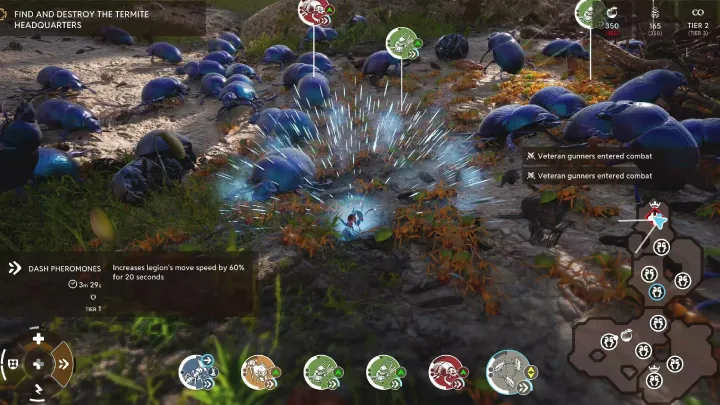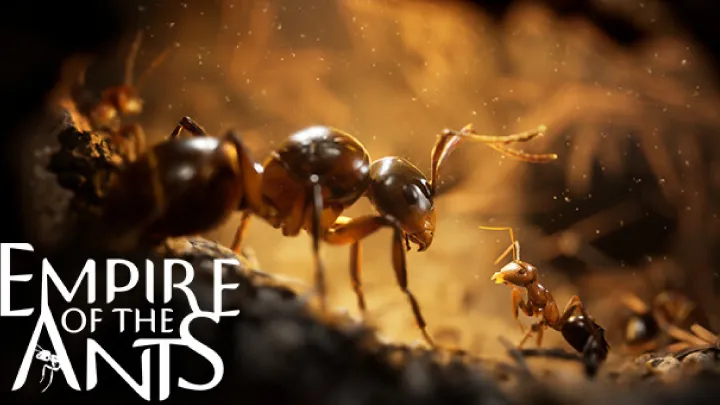
Empire of the Ants invites players into an immersive world where they assume the role of a colony leader, managing resources, growth, and survival in a complex and often hostile environment. While the game successfully builds on its unique premise, one significant issue has emerged: the challenge of resource management. This article delves into how the resource management mechanics shape gameplay, impact player experience, and influence the colony's success.
The Foundations of Resource Management in Empire of the Ants
Resource management is at the core of Empire of the Ants. Players must collect, allocate, and utilize various resources to ensure the survival and expansion of their colonies.
Defining Resource Types
In Empire of the Ants, there are several key resources that players must manage:
- Food: Essential for nurturing the colony and supporting new ant production.
- Nectar: A vital resource for building the colony and fortifying defenses.
- Materials: Used for constructing and upgrading structures, facilitating growth and protection.
The Importance of Resource Diversity
Each resource plays a distinct role in the colony's success. Players must balance between gathering these resources to create a thriving environment for their ants.
The Cycle of Resource Management
Resource management in Empire of the Ants involves a continuous cycle of gathering, utilizing, and replenishing resources. Players must consistently engage with the environment to maintain the balance needed for survival.
Gathering Resources
- Foraging: Players send worker ants to collect food and materials from the environment.
- Exploration: Searching for new resource-rich areas is crucial for sustaining and expanding the colony.
The Complexity of Resource Allocation
While collecting resources is necessary, players must also engage in effective allocation to ensure that each resource is put to optimal use.
Understanding Resource Allocation
Resource allocation involves deciding how resources are distributed among various needs, such as building structures, breeding ants, or developing defenses.
Strategic Decision-Making
- Building Infrastructure: Players might choose to allocate resources toward building new structures that enhance colony efficiency.
- Ant Production: Prioritizing breeding may provide an immediate workforce but can deplete food reserves quickly.
The Risk of Imbalanced Allocation
Players may find themselves in challenging situations where improper allocation leads to resource shortages. This imbalance can have dire consequences for the colony's survival.
Signs of Imbalance
- Food Shortages: Failing to maintain a food surplus can lead to population decline.
- Inefficient Construction: Overcommitting to structures without proper resource management can result in unfinished projects that hinder progress.
The Emotional Impact of Resource Management
Managing a colony in Empire of the Ants creates a range of emotional responses from players, particularly when facing resource shortages or challenges.
Emotional Responses to Resource Challenges
Players often experience a rollercoaster of emotions as they navigate the complexities of resource management.
Examples of Emotional Engagement
- Frustration: Encountering unexpected shortages can lead to stress, challenging players to reevaluate their strategies.
- Triumph: Successfully managing resources to overcome obstacles can create a powerful sense of accomplishment and satisfaction.
The Connection Between Emotion and Strategy
Players' emotional connections to their colonies can deepen their investment in the game. They may grow attachments to specific ants and feel a sense of responsibility for their well-being.
Building a Sense of Ownership
- Nurturing the Colony: Players who feel a strong connection to their ants are more likely to invest time in effective resource management.
- Immersive Experience: The emotional weight of managing resources not only enhances gameplay but also enriches the player's overall experience.
The Role of Difficulty Settings
To cater to a diverse audience, Empire of the Ants includes difficulty settings that impact resource management dynamics and overall gameplay experience. These settings influence players' engagement and strategic thinking.
Adjusting Difficulty Levels
Players can choose between various difficulty settings, each affecting factors such as resource availability, enemy resilience, and overall gameplay pace.
Effects of Difficulty on Resource Management
- Easy Mode: More abundant resources and fewer threats enable players to focus on exploration and expansion without constant pressure.
- Hard Mode: Scarcity of resources and increased challenges push players to optimize resource allocation and strategic decision-making more rigorously.
Balancing Challenge and Accessibility
While harder difficulties provide a greater challenge, they can also alienate newer players who may find resource management overwhelming. Developers must strike a balance between providing meaningful challenges and ensuring accessibility.
The Importance of Onboarding
- Gradual Introduction: A well-structured onboarding process can guide new players through resource management mechanics while adjusting to increasing difficulty.
- Adaptive Difficulty: Implementing systems that adapt to a player’s skill level can enhance engagement without diminishing the challenge.
Community Engagement and Player Feedback
Community interaction plays a critical role in shaping the evolution of Empire of the Ants. Developers benefit from gathering player feedback to understand their experiences with resource management and balance.
Channels for Gathering Feedback
Developers can utilize various methods to collect insights from players regarding their experiences and challenges in managing resources.
Effective Feedback Methods
- Online Forums: Hosting discussion spaces can facilitate deeper conversations about challenges players face, generating constructive feedback.
- Social Media Engagement: Interactions through social platforms allow developers to gauge community sentiment quickly.
Importance of Responsiveness
Actively responding to community feedback regarding resource-related mechanics is essential for building player trust and loyalty.
Examples of Developer Response
- Patch Updates: Timely patches that address player concerns can improve game balance and resource management experiences.
- Transparent Communication: Engaging with players about upcoming changes fosters community trust and shows that developers value player insights.
Improving Resource Management Systems
Continuous improvement of resource management systems should remain a priority for developers. Efforts to balance gameplay and enhance the player experience can yield significant benefits.
Strategies for Enhancing Resource Management
By refining existing mechanics and introducing new features, developers can improve overall gameplay experience.
Suggested Improvements
- Dynamic Resource Generation: Implement systems that adapt resource availability based on player actions, creating a more responsive environment.
- Resource Planning Tools: Providing players with tools to help visualize and plan their resource allocation can aid in strategic decision-making.
Encouraging Experimentation
Allowing players to experiment with different resource management strategies can make gameplay more engaging by promoting discovery and creativity.
Community Initiatives
- Challenges and Events: Creating community events that encourage exploration of resource management can foster player involvement.
- Player-Driven Content: Inviting players to share their unique strategies can enhance the community experience and inspire collaboration.
The Future of Empire of the Ants
As Empire of the Ants continues to evolve, focusing on resource management and responsiveness will be crucial for maintaining player engagement and satisfaction.
Prioritizing Player Experience
The development team should consistently prioritize player experience and seek ways to enhance resource dynamics to foster immersion and enjoyment.
Engaging Future Players
- Inclusive Design: Ensuring that resource management systems cater to both new players and seasoned veterans is essential for long-term success.
- Continuous Innovation: Staying ahead of player expectations through regular content updates and feature enhancements can keep the experience fresh.
Strengthening Community Bonds
Fostering a community around Empire of the Ants can create a vibrant ecosystem of players who actively share their challenges and innovations.
Community Engagement Strategies
- Feedback Workshops: Allowing players to participate in structured discussions about gameplay mechanics can yield valuable insights.
- Celebratory Events: Hosting events that highlight player achievements can enhance community bonds.
Conclusion
In Empire of the Ants, resource management stands at the forefront of gameplay, providing a rich and complex experience. However, balancing the intricacies of resource dynamics with the need for accessibility presents ongoing challenges. By focusing on community feedback, refining gameplay mechanics, and continuously enhancing the player experience, developers can create a vibrant and engaging environment. The journey ahead is one of adaptation and evolution; embracing these principles will ensure Empire of the Ants remains an engaging title for both new and veteran players alike.