.webp)







PEAK presents itself as a minimalist cooperative climbing game where players work together to ascend an unforgiving mountain. Its art style is clean, its controls are simple, and its goal is straightforward: climb higher. Yet beneath this simplicity lies a singular design issue that defines the entire experience—the stamina-based climbing system that transforms minor errors into chain reactions of failure. This article explores how PEAK uses stamina, physics, and shared responsibility to create tension, vulnerability, and unforgettable cooperative moments.
1. First Ascent: Learning That Every Movement Has Weight
The first time players climb in PEAK, the controls feel intuitive. You grab, pull, rest, and climb again. Early sections are forgiving, allowing players to build confidence and experiment freely.
That confidence is deceptive. Very quickly, players learn that stamina is not a background mechanic—it is the core limiter of all progress. Every movement drains it, every pause restores it, and misjudging either leads to falls.
The game teaches its rules through failure. A short slip early on foreshadows much harsher consequences later.
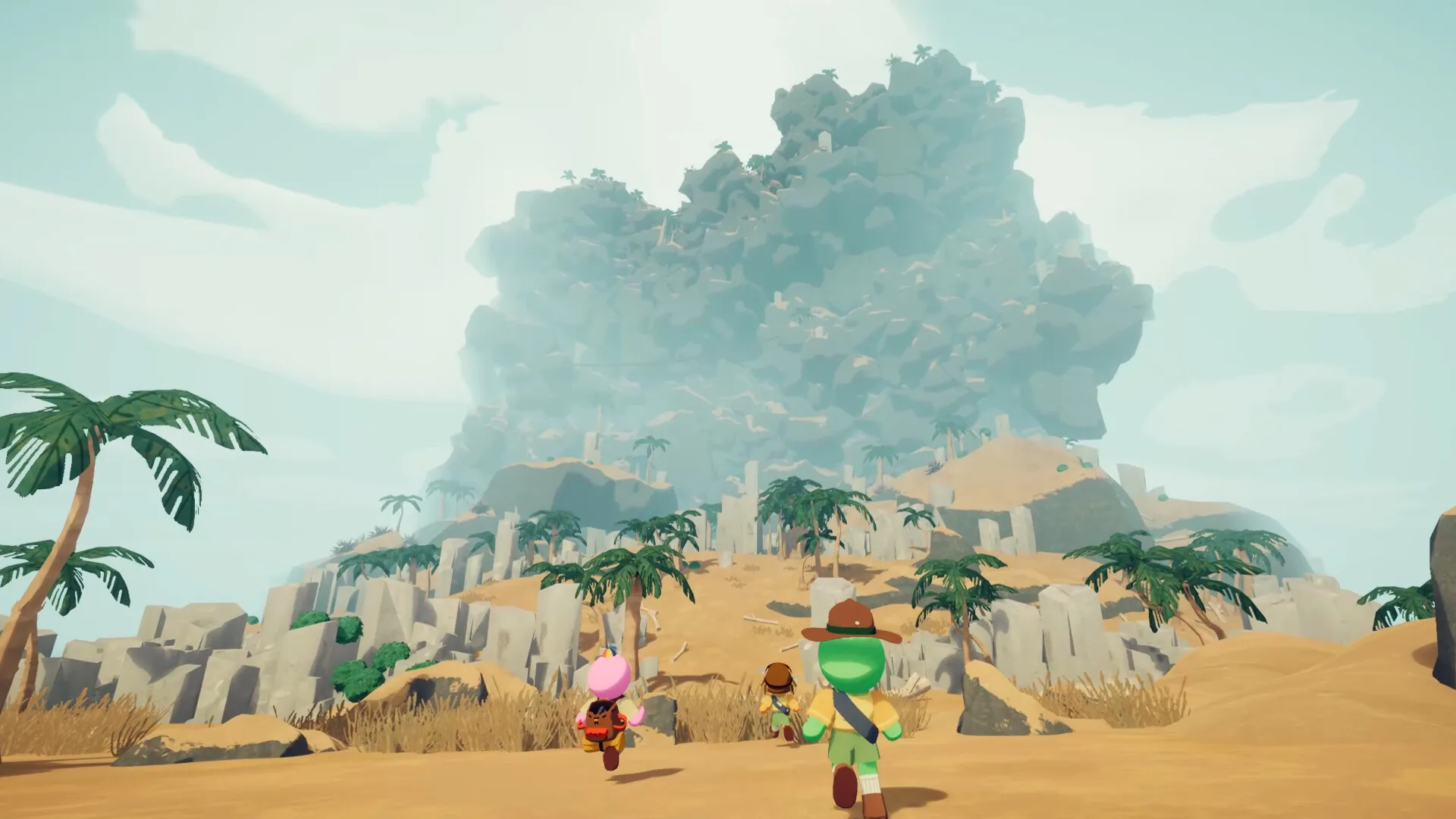
2. Stamina as a Shared Resource, Not a Personal One
Although stamina belongs to individual players, its consequences are collective. One exhausted climber does not just fall—they pull others down with them.
This transforms stamina from a personal meter into a team-wide risk factor. Players must constantly monitor not only their own energy but also the condition of their partners.
Why this matters
The system discourages selfish play. Rushing ahead without regard for teammates often results in catastrophic group failure.
3. The Physics of Climbing and the Illusion of Control
PEAK’s physics-based climbing feels precise, but it is intentionally unstable. Handholds vary subtly, angles affect grip, and momentum matters more than players expect.
This creates an illusion of control. Players feel skilled—until a small miscalculation drains stamina faster than planned. A single overreach can force a rest that destabilizes the entire formation.
Precision without forgiveness
The game rewards careful planning but punishes improvisation under fatigue.
4. Resting Is Not Safety
Resting in PEAK restores stamina, but it also introduces danger. Hanging idle too long increases the chance of slips, especially if teammates shift position.
This creates a paradox: players need rest, but resting is risky. The safest approach is often coordinated micro-movements rather than full pauses.
This design prevents passive play. Even recovery requires attention and communication.
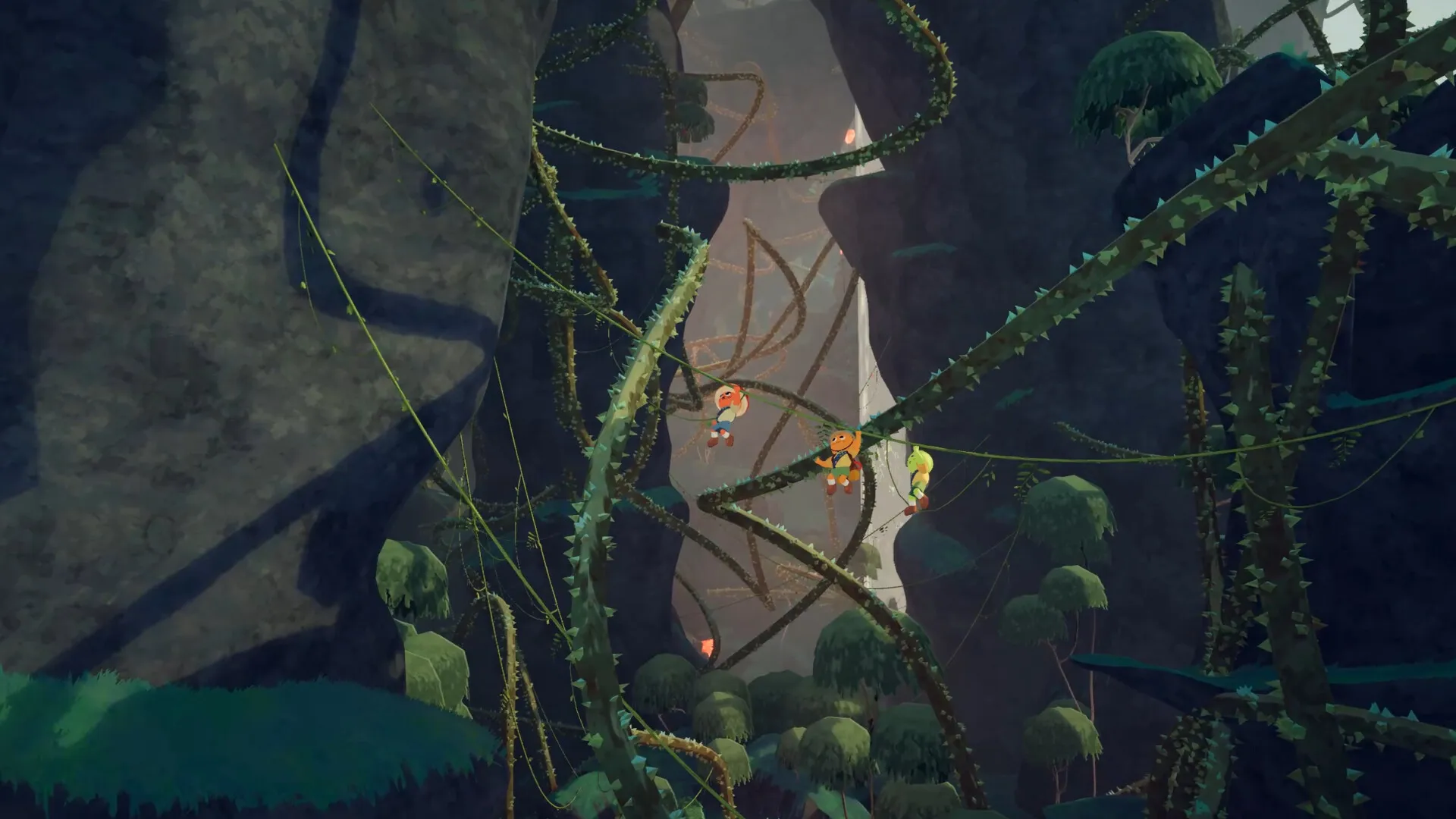
5. Cascading Failure: How One Mistake Becomes Many
The defining issue of PEAK is cascading failure. A single exhausted climber slips, transferring force to teammates. One slip becomes two. Two become a full collapse.
Unlike games where failure is isolated, PEAK ensures that errors propagate. This makes mistakes feel heavy and emotionally charged.
Failure as a system, not an event
The mountain does not defeat players directly. Their interdependence does.
6. Communication as a Mechanical Requirement
In PEAK, communication is not optional. Players must announce stamina levels, planned moves, and rest intentions constantly.
Silence leads to misalignment. One player rests while another moves, breaking balance. One jumps without warning, pulling the group off the wall.
Trust replaces UI
The game deliberately limits on-screen information, forcing players to rely on verbal coordination instead of meters.
7. Emotional Tension Created by Stamina Pressure
As stamina drains, panic sets in. Players rush decisions, skip rests, or overcommit to risky holds.
This emotional response is intentional. PEAK simulates real climbing stress, where fatigue clouds judgment and increases error rates.
The game does not punish panic directly—it lets panic punish itself through cascading failure.
8. Recovery After Failure and Psychological Weight
Falling in PEAK is not just a reset; it is a setback that carries emotional weight. Players replay the moment in their minds, identifying exactly where coordination broke down.
This reflection strengthens team play. Groups that analyze failures improve dramatically, while groups that blame individuals fracture.
Failure as bonding
Repeated falls often improve communication and trust, turning frustration into cohesion.
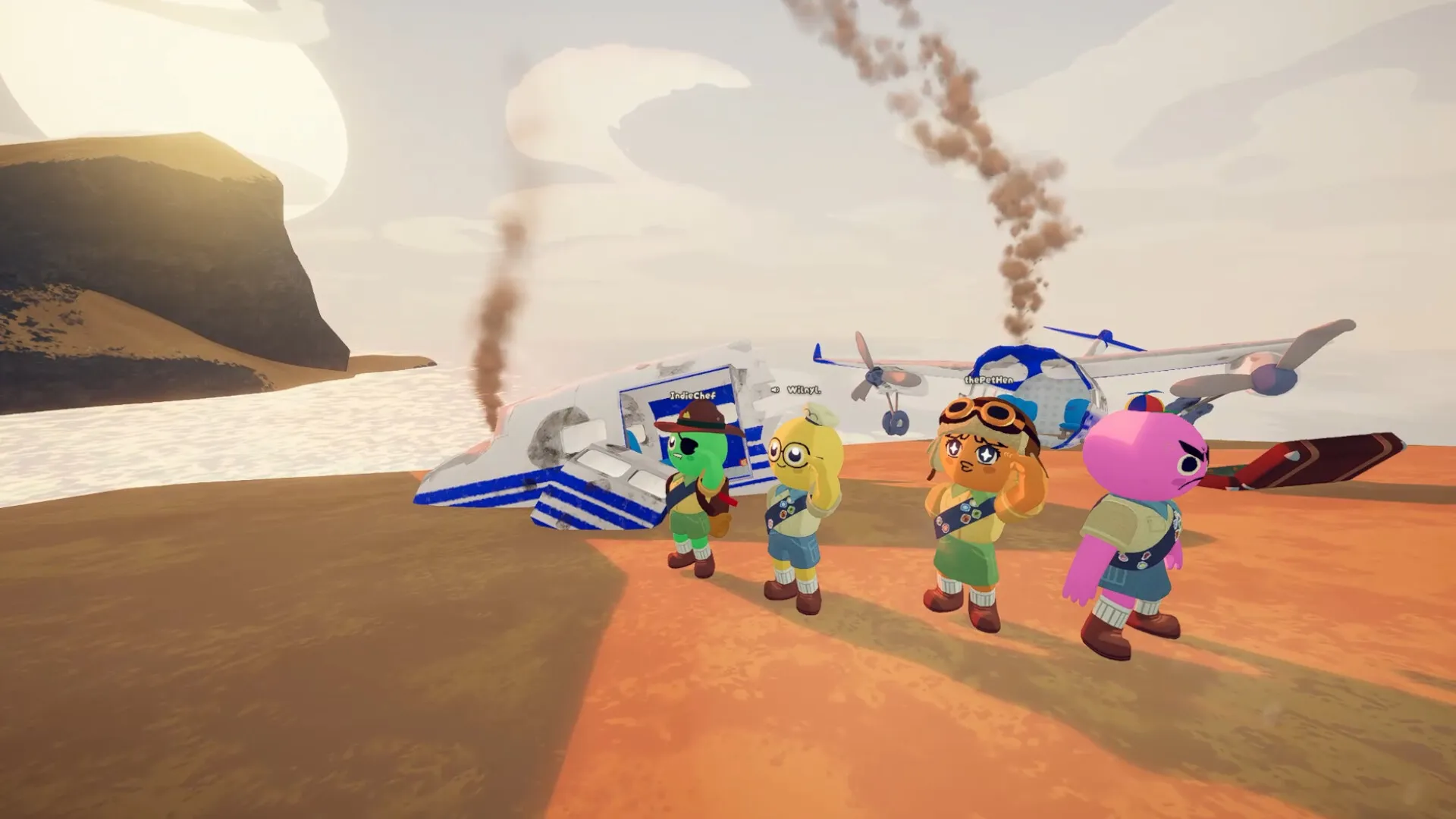
9. Skill Progression Is Mental, Not Mechanical
Players do not become better at PEAK by climbing faster. They improve by managing stamina conservatively, reading teammates, and anticipating failure points.
Advanced players move slowly, deliberately, and with constant verbal check-ins. They respect stamina limits and avoid heroic risks.
This makes mastery subtle. Outsiders may not notice improvement, but teams feel it deeply.
10. Why Cascading Failure Defines PEAK
PEAK’s stamina system ensures that the mountain is never conquered alone. Success is collective, failure is shared, and responsibility is mutual.
The cascading failure mechanic transforms a simple climbing game into a powerful cooperative experience. It forces players to slow down, communicate, and accept vulnerability.
Climbing as trust
PEAK is not about reaching the summit—it is about believing your teammates will not let go when you are weakest.
Conclusion
PEAK’s stamina-based cooperative climbing system defines its identity by turning small mistakes into shared consequences. Through cascading failure, the game creates tension, demands communication, and fosters trust in ways few cooperative games attempt. Its difficulty does not come from complex controls or punishing enemies, but from human limitations—fatigue, panic, and miscommunication. PEAK succeeds because it understands that true cooperation is tested not at moments of strength, but at the edge of exhaustion. The mountain is unforgiving, but it is fair, and every fall teaches players how to climb together better next time.