






Octopath Traveler 0 brings players back to the deep, strategic turn-based combat, layered job systems, and exploratory freedom that define the series. But this prequel adds new mechanics, reworked battle flow, and a sharper emphasis on resource management. This guide delivers a full, detailed breakdown—organized by progression and meaning—covering essential tips, advanced strategies, combat optimization, party-building, job synergy, path actions, exploration, money management, and endgame preparation.
Below are 10 in-depth sections to help you master your journey, each containing multiple paragraphs and sub-guides.
1. Getting Started Efficiently
The beginning hours of Octopath Traveler 0 set the foundation for your entire playthrough. Understanding how to manage resources, pick starting routes, and use your early skills helps you avoid grinding later. Your first characters strongly influence your early combat flow, so choosing wisely matters.
Your opening pick should balance offense and defense. Characters with early access to healing or shield-breaking skills smooth out the pacing significantly. Use your first towns to gather free items, talk to NPCs for leads, and complete simple side jobs for early money.
h3: Choose a Starting Character with Utility
Some characters offer easier openings because they have healing or multi-hit attacks. Prioritize anyone who can break shields consistently.
h4: Don’t Underestimate Early Town NPC Actions
Many NPCs hold items that drastically help early-game survival—free gear, healing items, or early discounts.

2. Understanding the Battle System
Combat is the soul of Octopath Traveler 0. Mastering Breaks, Boosts, and rotation planning determines whether fights feel smooth or punishing. From managing turn order to exploiting weaknesses, there's a rhythm you need to learn early.
One key difference from previous entries is the improved enemy AI and new conditional weaknesses. This means reading patterns and adjusting your plan mid-fight becomes essential. Don’t spam skills blindly—track BP, SP, and enemy shields carefully.
h3: Break Timing Is Everything
Breaking an enemy too early wastes potential damage. Breaking right before your biggest damage turn is optimal.
h4: Keep SP Recovery Items Handy
SP drains quickly in early chapters, so efficient SP management can shorten battles dramatically.
3. Mastering Boost Points (BP)
BP fuels your strongest attacks, making its management vital. Many players overspend BP early; however, smart saving allows explosive finishing turns. BP also determines how well you handle elite enemies.
BP regenerates every turn, so coordinate your turns by planning Break → Boost → Nuke rotation. Characters with passives that increase BP gain or reduce cost become invaluable for boss fights.
h3: Never Fully Spend BP Before a Break
Save BP for the post-break damage spike for maximum efficiency.
h4: Learn Every Character’s Optimal BP Curve
Some skills scale poorly with BP, so understand which ones to boost.
4. Building a Balanced Party
Party synergy matters more than ever. Octopath Traveler 0 emphasizes complementary skill sets, meaning you shouldn’t stack similar damage types. Balance physical, magical, support, and sustain roles.
A well-rounded team ensures coverage for multiple enemy weaknesses. Build two functional teams if your route splits or if you prefer rotating characters for resource distribution.
h3: Roles to Always Include
- Breaker: Someone who can hit multiple weapon or elemental weaknesses
- Healer: A dedicated or hybrid healer prevents SP waste
- Buffer/Debuffer: Status users can trivialize bosses
- Nuker: Your main damage dealer
h4: Avoid Overstacking the Same Weapon Type
Variety in weaknesses increases your adaptability.
5. Jobs, Secondary Jobs & Synergy
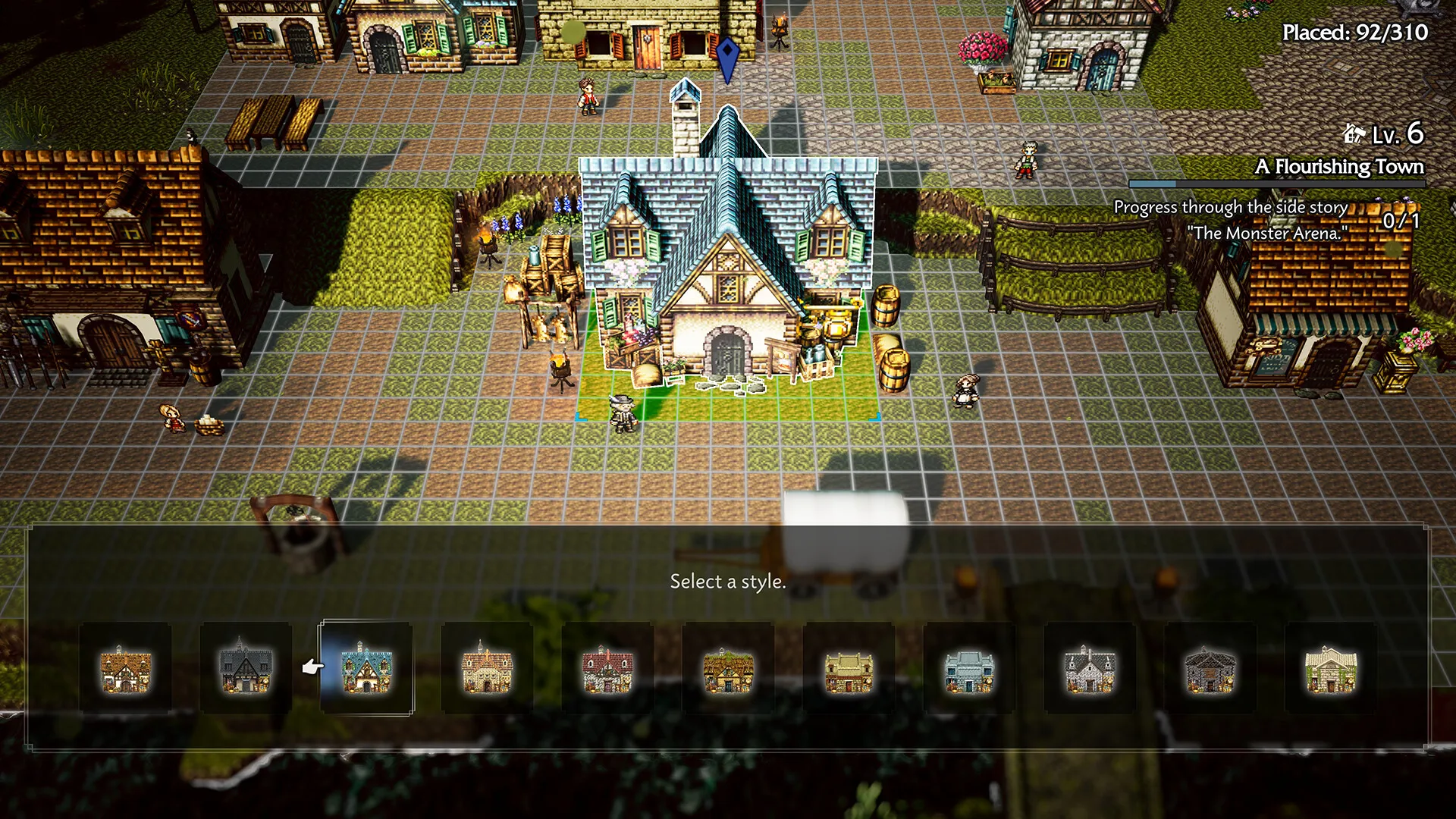
Jobs define the game’s depth. Unlocking secondary jobs opens endless customization. However, synergy—not raw power—is the true goal. Combining the right passives creates a snowballing power curve.
Experimentation is encouraged. Some secondary jobs drastically change a character’s combat role, giving you flexibility for specific fights.
h3: Focus on Passive Abilities First
Passives often give more long-term value than early skills.
h4: Recommended Early Secondary Job Combos
- Warrior + Hunter: Excellent physical breaker
- Scholar + Cleric: Sustain + powerful AOE
- Thief + Apothecary: Status + self-sustain hybrid
6. Path Actions & Their Hidden Value
Path actions are more strategic than they appear. They provide free items, shortcuts to quests, and unique routes around difficult areas. Learn how to abuse their strengths without incurring penalties.
NPCs often hide rare materials or strong gear that accelerates your progression drastically. Always check every town.
h3: Use Path Actions on Every NPC
You never know which one offers a game-changing reward.
h4: Night/Day Differences Matter
Some actions only work at certain times, so toggle the clock often.
7. Efficient Exploration Techniques
Exploration rewards players with treasure, hidden dungeons, and lore. The vast world map encourages wandering, but doing it smartly prevents high-level enemy wipes.
Your lantern, path actions, and scouting skills help avoid unwanted encounters. Use the world map markers and NPC hints to discover optional zones.
h3: Always Check for Hidden Paths
Many chests lie behind camouflaged map corners.
h4: Save Before Entering Danger Zones
Enemy difficulty spikes unpredictably in some early wilderness maps.
8. Money, Gear & Resource Management
Money matters more in early chapters because weapon upgrades have massive impact. Do not waste early gold on consumables when you can acquire many for free.
Prioritize weapon upgrades before armor. The game heavily favors offensive stats early because killing faster saves more resources.
h3: Sell Unneeded Materials Regularly
Many loot items exist only to be sold—check their description before hoarding.
h4: Farm Mini-bosses for Rare Drops
Some mini-boss loot sells extremely well or upgrades high-level weapons.
9. Boss Strategies & Battle Preparation
Bosses test your understanding of the mechanics. Many bosses shift weakness types mid-fight, forcing rapid adaptation. Buffs and debuffs provide enormous value during these fights.
Learning attack patterns helps you plan your break windows. Don’t rush the fight—slow, methodical pacing prevents unnecessary wipes.
h3: Buff Before Breaking
Your best buff turns should come right before your highest damage rounds.
h4: Save Ultimate Skills for Break Windows
Big burst damage after a break shortens boss phases significantly.
10. Endgame & Advanced Techniques
The late-game unlocks unique challenges, hidden superbosses, and advanced job systems in Octopath Traveler 0. Mastery of the battle mechanics becomes essential as bosses hit harder and resist more weapon types.
Late-game optimization includes refining equipment, unlocking high-tier passives, and planning a specialized team for the toughest fights. Endgame encourages experimentation rather than a single optimal build.
h3: Invest in High-End Crafting
Crafted weapons often outperform shop items significantly.
h4: Build Specialized Teams
Some endgame encounters require:
- An elemental burst team
- A physical breaker squad
- A sustain-heavy survival team
Conclusion
Octopath Traveler 0 offers a deep, layered RPG experience where strategy, planning, and resource management shape your success. By mastering combat mechanics, optimizing party synergy, upgrading jobs wisely, and exploring thoroughly, you’ll enjoy a smoother and more powerful journey. Whether you favor experimentation or efficiency, the game rewards thoughtful decisions and well-planned strategies. With these tips and guides, you’re prepared to take on every challenge the world presents.