.webp)








Brookhaven is often described as a simple roleplay game, but that description understates its cultural weight. There are no quests, no forced objectives, no explicit win conditions. Instead, Brookhaven revolves around something deceptively complex: the performance of ordinary life over time.
This article does not explain how to play Brookhaven, nor does it provide tips or guides. It focuses deeply on one specific topic within the game—the way Brookhaven enables players to construct meaning through routine, space, and silent social agreement. By examining this process chronologically, Brookhaven emerges not as an empty sandbox, but as a shared stage for everyday digital identity.

1. Arrival in Brookhaven: A World Without Direction
When players first spawn into Brookhaven, they are given freedom without instruction. There is no narrative framing, no mission prompt, and no pressure to act.
This absence of direction is intentional. Brookhaven begins as a neutral space, inviting players to project intention rather than respond to it. The town does not demand action; it waits.
Freedom Through Emptiness
By offering nothing to complete, the game allows players to decide what matters, rather than being told.
2. Claiming Space: Homes as Personal Anchors
One of the first meaningful acts players perform is choosing a house. This decision immediately introduces a sense of ownership and belonging.
Houses in Brookhaven are not earned through progression; they are claimed. This design removes hierarchy and makes space universally accessible, reinforcing the idea that personal story matters more than achievement.
Homes as Social Signals
- Location suggests personality
- Design implies lifestyle
- Presence signals commitment
3. Avatars and the Performance of Identity
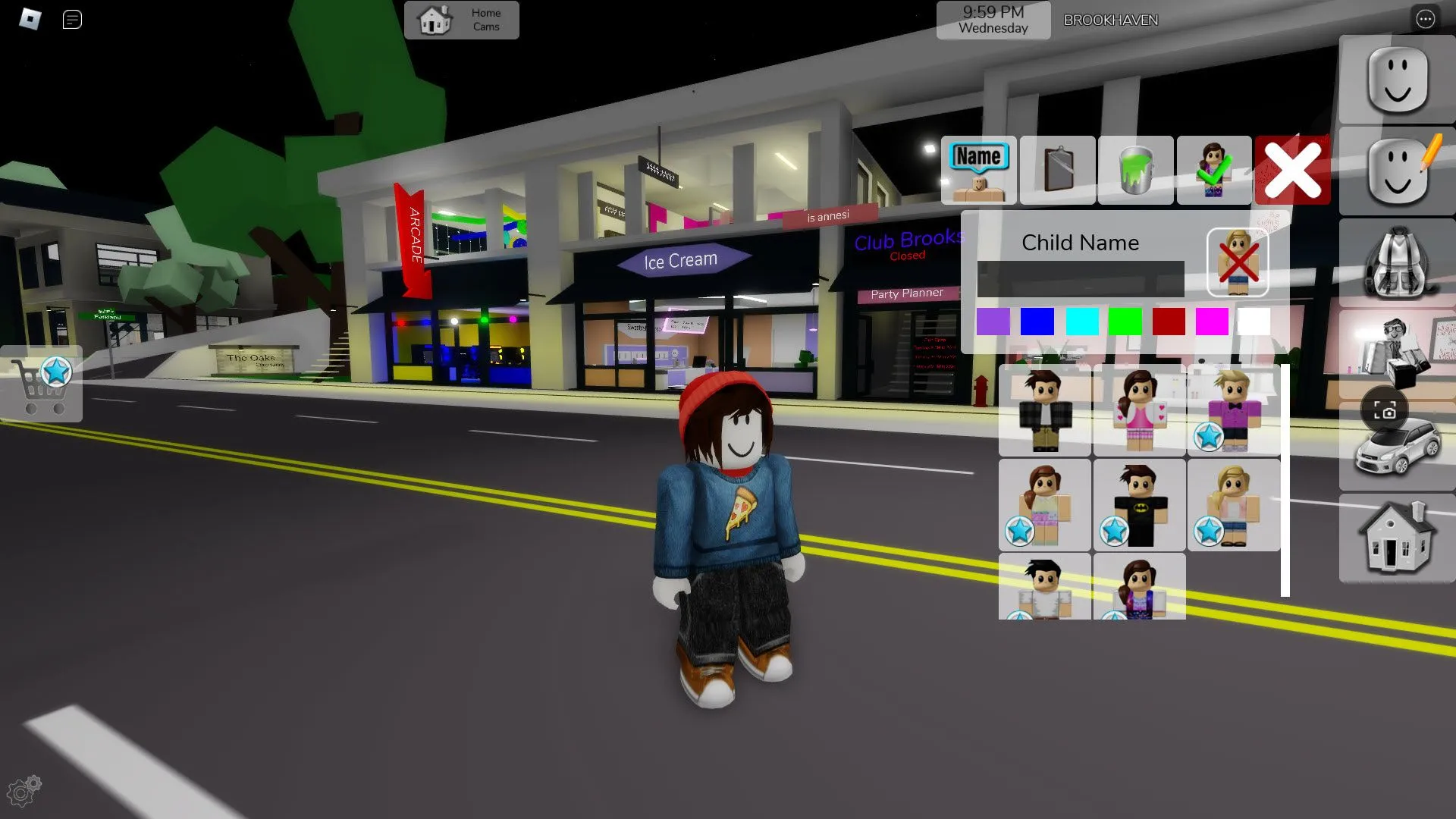
Customization in Brookhaven is extensive and immediate. Players can alter appearance, clothing, facial expressions, and accessories at any time.
This fluidity allows identity to be experimental rather than fixed. Players are not locked into roles; they perform them temporarily. Identity becomes a costume, not a stat.
Identity as Ongoing Choice
Brookhaven treats selfhood as something that can change moment to moment, mirroring real-world social performance.
4. Movement as Narrative: Walking, Driving, Waiting
Much of Brookhaven’s gameplay consists of movement without urgency. Players walk, drive, stop, and idle.
These pauses are meaningful. Waiting outside a house, sitting in a car, or standing in a public space creates narrative implication without dialogue. Time itself becomes a storytelling tool.
Everyday Actions That Carry Meaning
- Driving without destination
- Standing near others
- Repeated routines
5. Silent Social Contracts Between Players
Brookhaven relies heavily on unspoken agreements. Players rarely ask permission to roleplay; they simply act, trusting others to interpret intent.
These silent contracts govern behavior: respecting scenes, responding to implied roles, and sustaining shared imagination.
Cooperation Without Enforcement
There are no rules forcing players to participate correctly, yet most do—because meaning depends on mutual belief.
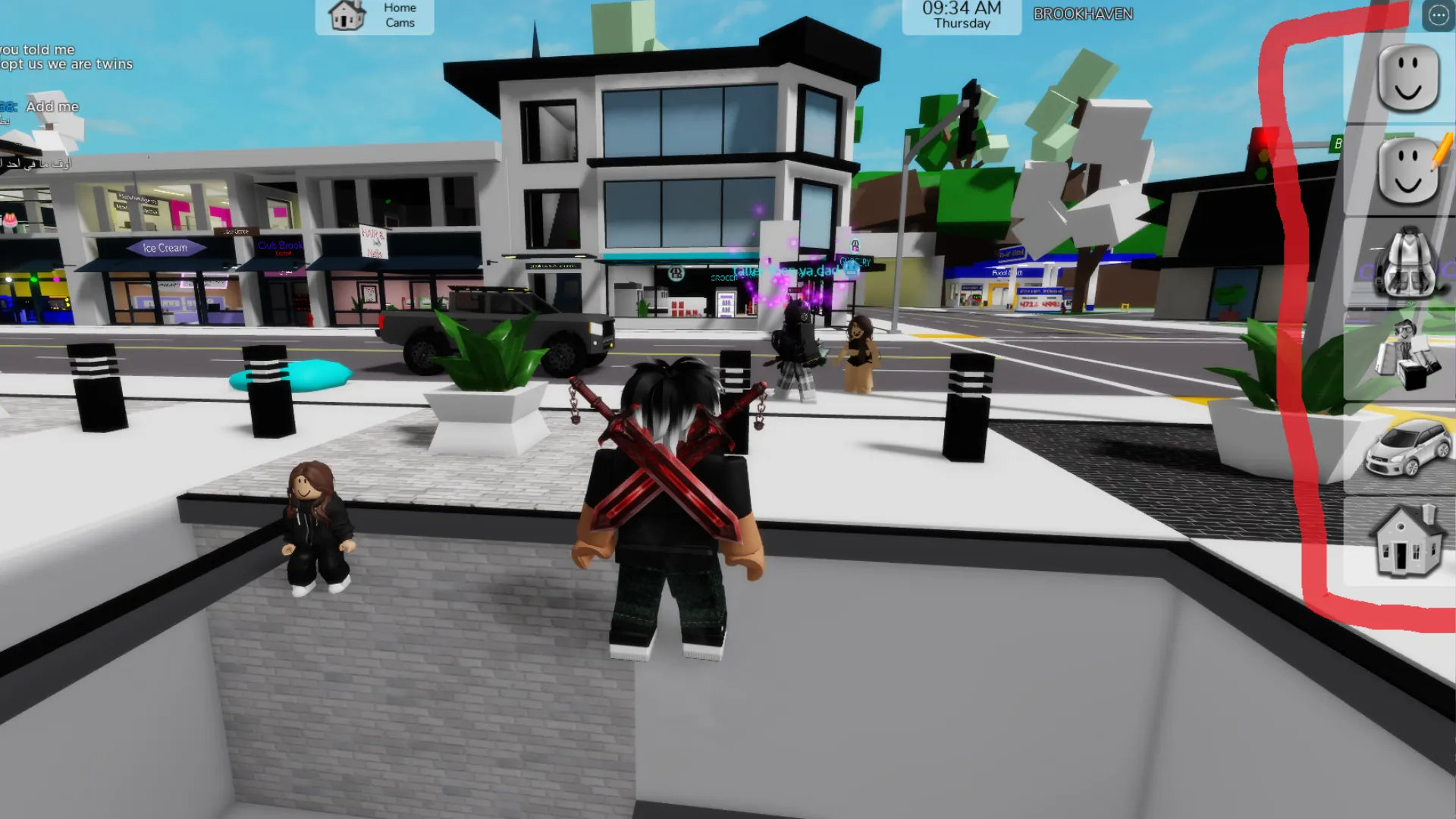
6. Public Spaces as Social Stages
Locations like schools, hospitals, police stations, and cafes function as stages rather than gameplay systems. Their purpose is symbolic, not mechanical.
Players gather in these spaces to enact familiar social scripts. The building itself provides context, allowing players to improvise within a shared understanding.
Why Public Spaces Matter
- They provide narrative shortcuts
- They suggest roles instantly
- They anchor group interaction
7. Conflict Without Consequence
Conflict in Brookhaven is theatrical. Arguments, chases, and dramatic events occur without lasting punishment.
This lack of consequence encourages experimentation. Players can explore drama safely, knowing that nothing permanent will be lost.
Drama as Play, Not Risk
Because outcomes are reversible, emotional expression becomes accessible rather than threatening.
8. Repetition and Comfort Over Time
As players spend more time in Brookhaven, routines form. Returning to the same house, wearing similar outfits, visiting familiar places—these repetitions create comfort.
The game becomes less about imagination and more about presence. Simply being in Brookhaven feels sufficient.
The Power of Routine
- Reduces decision fatigue
- Builds emotional familiarity
- Encourages long sessions
9. Age Mixing and Shared Fantasy
Brookhaven hosts players of vastly different ages, yet they coexist within the same imaginative framework. The simplicity of the game smooths generational differences.
Roleplay becomes a shared language. Complexity is replaced with archetypes that anyone can understand.
Universal Scenarios
Family, school, work, and friendship transcend age, making Brookhaven broadly accessible.
10. Brookhaven as a Digital Third Place
Over time, Brookhaven functions less like a game and more like a digital third place—neither home nor work, but somewhere in between.
Players log in not to achieve, but to exist alongside others. The town becomes familiar, predictable, and emotionally neutral in a comforting way.
A Space That Does Not Demand Performance
Brookhaven allows players to be present without pressure, making it uniquely sustainable.
Conclusion
Brookhaven’s strength lies in its refusal to define success. By removing objectives, progression, and permanence, it creates a space where meaning emerges from routine, presence, and shared imagination. The game transforms ordinary actions into quiet performances, allowing players to rehearse identity, community, and everyday life. Brookhaven is not empty—it is intentionally open, waiting for players to fill it with moments that matter only because they happened together.