.webp)







Introduction
The Planet Crafter is a survival and terraforming game that drops players onto a hostile, lifeless planet and challenges them to transform it into a livable world. Unlike traditional survival games that focus mainly on combat, The Planet Crafter emphasizes long-term planning, resource management, and environmental progression. Every action you take contributes to changing the planet’s atmosphere, temperature, and pressure, slowly turning a barren wasteland into a breathable paradise.
This guide is designed for both new and experienced players who want to terraform more efficiently, avoid common mistakes, and understand the deeper systems that drive planetary transformation. From early survival tips to late-game optimization, this article breaks down the game’s mechanics step by step, helping you build smarter, progress faster, and enjoy the full scope of what The Planet Crafter has to offer.
Understanding Terraforming Progress and Global Metrics
Terraforming in The Planet Crafter is driven by three main global metrics: oxygen, heat, and pressure. These values are tracked constantly and determine when new biomes, weather effects, and technologies unlock. Progression is slow at first, but it accelerates rapidly once you understand how these systems interact.
Each metric increases through specific machines. Oxygen is generated through plant-based devices, heat comes from heaters, and pressure is created by drills. The key is balance. Focusing too heavily on one metric can slow overall progression because major milestones often require all three values to reach certain thresholds. Monitoring the terraformation index screen frequently helps you make informed decisions about what to build next.
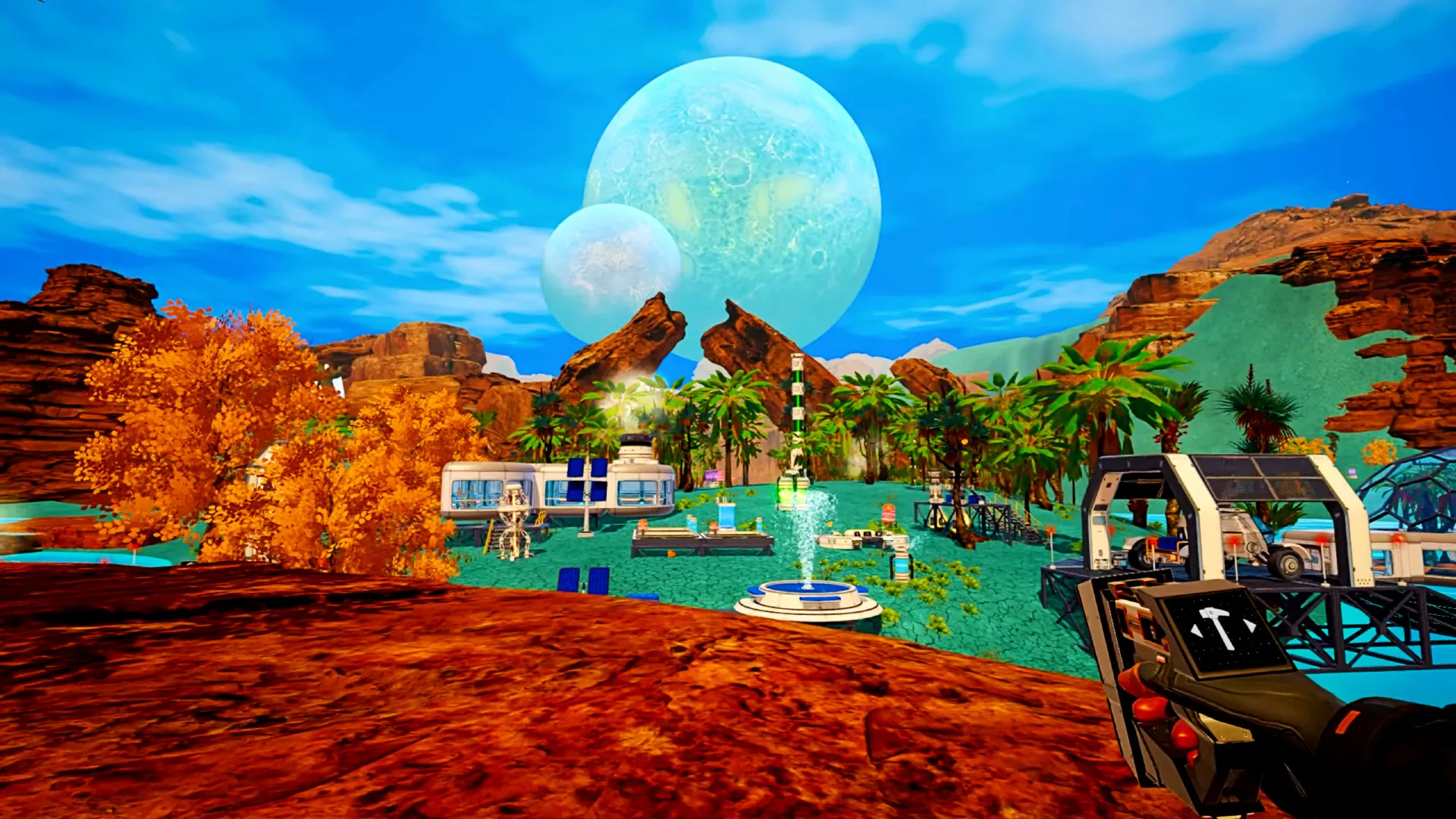
As the planet evolves, visual changes reinforce your progress. Ice melts, lakes form, rain begins to fall, and eventually greenery spreads across the surface. These changes are not just cosmetic; they unlock new resources and exploration paths, making terraforming a core gameplay loop rather than a background mechanic.
Early Game Survival: Oxygen, Food, and Power
The early hours of The Planet Crafter are focused on survival basics. Oxygen management is the most immediate concern. Your suit’s oxygen supply drains quickly, forcing you to build shelters or oxygen-generating devices close to your exploration routes. Failing to plan oxygen access often leads to repeated deaths and wasted time.
Food production is another early challenge. Before farming becomes available, players rely on space food rations found in wrecks. Exploring crashed ships early can give you a comfortable buffer while you unlock sustainable food sources. Avoid wasting food by sprinting unnecessarily, as movement consumes oxygen faster and increases the risk of death.
Power management ties everything together. Solar panels are your first reliable power source, but they require placement in open areas and can be limited early on. Keep track of power usage carefully, because shutting down essential machines due to insufficient energy can stall your entire progression.
Efficient Base Building and Layout Planning
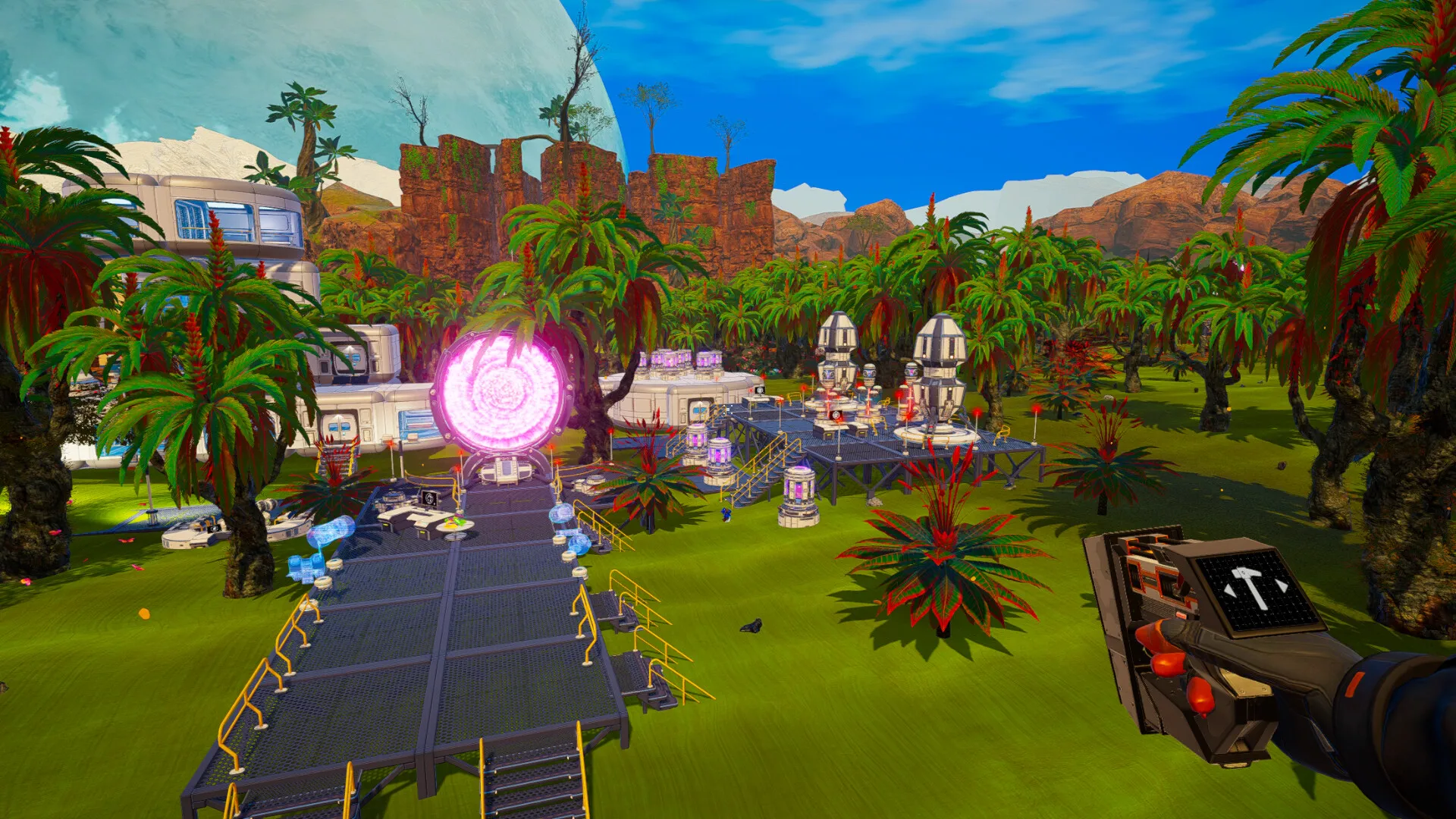
Your base is more than a safe space—it’s the control center for terraforming operations. Smart base layout reduces travel time, conserves oxygen, and makes expansion easier. Centralizing key machines such as crafting stations, storage units, and control screens helps you operate efficiently.
As your base grows, vertical building becomes increasingly important. Using multiple floors allows you to separate functions, such as production, storage, and living areas. This organization prevents clutter and makes it easier to expand without tearing down older structures.
Base placement also matters. Building near resource-rich areas saves time, but proximity to future biomes can be even more valuable. As water and plants appear, bases near lakes or forests gain faster access to advanced materials and seeds.
Resource Gathering and Storage Optimization
Resource management is at the heart of The Planet Crafter. Early materials like iron, titanium, cobalt, and silicon are scattered across the surface, but later resources are biome-specific and harder to reach. Efficient gathering strategies save hours of repetitive work.
One of the most effective habits is building labeled storage containers near your crafting area. Sorting materials as soon as you collect them reduces confusion and speeds up crafting. Portable storage solutions also help when exploring distant areas.
As progression continues, automated resource collection becomes available. These systems drastically reduce manual labor and allow you to focus on exploration and optimization instead of constant mining. Investing in automation early pays off massively in the mid to late game.
Heat, Pressure, and Oxygen Devices Explained
Each terraforming metric has multiple device tiers, and choosing the right upgrade path matters. Early heaters and drills provide small boosts, but they quickly become inefficient as requirements increase. Replacing outdated machines with advanced versions improves output while reducing power consumption.
Oxygen devices are unique because they often rely on seeds and plants. Unlocking plant spreaders and tree spreaders dramatically increases oxygen output while also transforming the environment visually. These devices benefit greatly from strategic placement in open areas.
Balancing upgrades across all three systems ensures steady progress. Rather than maxing out one metric, spreading upgrades evenly allows you to unlock new technologies and biomes more consistently.
Exploration Strategies and World Navigation
Exploration is rewarded heavily in The Planet Crafter. Crashed ships, hidden bunkers, and underground caves contain blueprints, rare materials, and lore fragments. These locations often provide significant progression boosts that would otherwise take hours to grind.
Managing oxygen during exploration is crucial. Portable oxygen tanks and strategically placed shelters allow you to reach distant areas safely. Planning routes before leaving your base reduces unnecessary risk.
As the world changes, new areas become accessible. Ice-covered regions open up as temperatures rise, revealing valuable resources and story content. Revisiting previously inaccessible zones is an essential part of long-term progression.
Farming, Food Production, and Sustainability
Once farming is unlocked, survival becomes significantly easier. Growable food provides a renewable source of sustenance, eliminating reliance on scavenged rations. However, farming requires careful planning and power allocation.
Choosing which crops to grow depends on your immediate needs. Some plants are more efficient for food, while others contribute to oxygen production or crafting recipes. Diversifying crops ensures long-term sustainability and flexibility.
Late-game farming becomes highly efficient with automation and advanced grow beds. At this stage, food production transitions from survival necessity to resource optimization, freeing players to focus on terraforming goals.
Unlocking Technology and Blueprint Progression
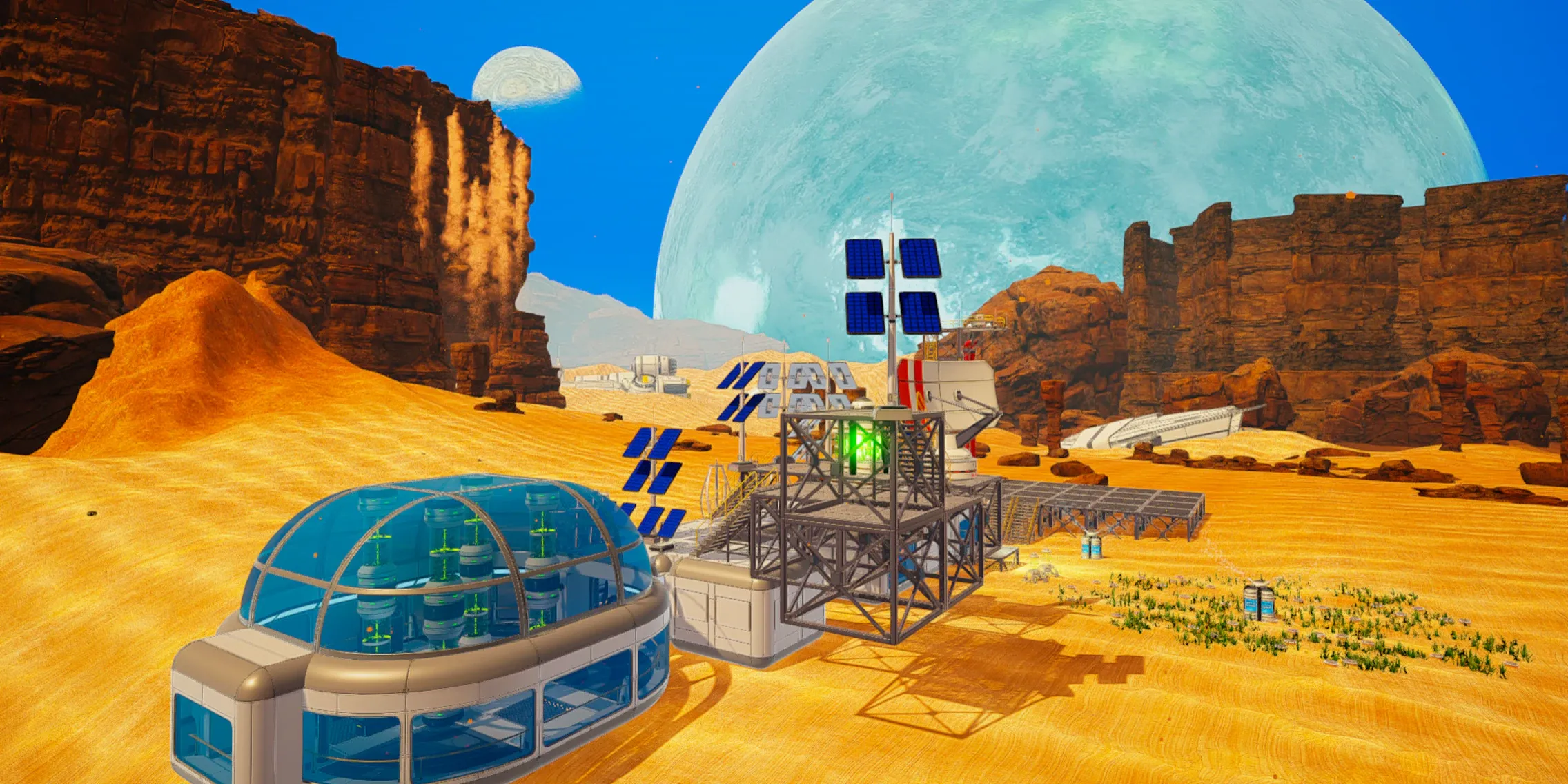
Blueprints are unlocked through terraformation milestones, exploration, and data collection. Understanding how these unlocks work helps prioritize goals. Some technologies dramatically accelerate progress and should be targeted as soon as possible.
Data chips found in wrecks often unlock critical upgrades. Exploring early and frequently ensures you don’t miss essential technologies that could simplify your build paths. Always carry spare inventory space for data chips during exploration.
Technology progression is intentionally layered. Early tools prepare you for mid-game automation, which in turn enables large-scale terraforming systems. Skipping steps or ignoring upgrades can make later stages unnecessarily difficult.
Late Game Terraforming and World Transformation
The late game of The Planet Crafter focuses on scaling up. Terraforming metrics increase rapidly, and the planet undergoes dramatic changes. Forests appear, water spreads, and weather systems stabilize. At this stage, efficiency becomes more important than survival.
Large-scale terraforming machines dominate gameplay. Optimizing placement, power supply, and upgrades allows you to push metrics into the millions and beyond. Energy infrastructure often becomes the primary bottleneck, requiring advanced power solutions.
Exploration remains relevant even late in the game. New biomes and secrets continue to unlock, rewarding players who stay curious and adaptable.
Common Mistakes and How to Avoid Them
Many players struggle early due to poor planning. Overbuilding low-tier machines wastes resources and power. Replacing outdated equipment promptly keeps progress smooth and efficient.
Another common mistake is neglecting storage organization. Disorganized inventories slow crafting and lead to wasted time. Clear labeling and centralized storage solve this problem.
Finally, rushing terraformation without balancing metrics can stall progression. Always check requirements before committing resources to ensure steady advancement.
Conclusion
The Planet Crafter offers a uniquely satisfying survival experience centered on transformation rather than destruction. By understanding terraforming systems, managing resources efficiently, and planning long-term goals, players can turn a hostile planet into a thriving ecosystem. Every stage of progression introduces new challenges and opportunities, rewarding patience, strategy, and curiosity.
Whether you are surviving your first hours or optimizing a fully terraformed world, mastering the mechanics outlined in this guide will help you progress faster and enjoy the full depth of the game. Terraforming is a marathon, not a sprint, and The Planet Crafter shines brightest when players embrace that journey.
160-Character Summary
A complete Planet Crafter guide covering survival, terraforming, exploration, and late-game optimization to help you build a thriving new world.