







“The Wandering Village” is a unique blend of city-building, survival management, and symbiotic strategy set on the back of a giant creature called Onbu. Mastering this game requires a deep understanding of resource management, environmental hazards, relationship-building, and long-term planning. This guide will walk you through every major stage of growth, helping you build a thriving settlement that can withstand the toxic world below.
Whether you're a new player discovering your first village or an advanced strategist optimizing large populations, this guide provides a complete step-by-step journey toward becoming a true expert.
Understanding the Basics of Onbu and Village Synergy
To master The Wandering Village, your first priority is learning how your village and Onbu coexist. Unlike traditional colony builders, your village survives entirely on Onbu’s back, meaning your choices directly affect his wellbeing and behavior. Understanding this connection forms the foundation for successful long-term survival.
Early on, you should focus on observing Onbu’s patterns—when he rests, sneezes, becomes hungry, or reacts to your villagers' actions. This will help you time production cycles and plan expansions. Maintaining Onbu’s trust is essential; neglecting him leads to unpredictable behavior and potential disaster.
Another core principle is synergy. Every building placement impacts Onbu, while his movements shape your access to resources and weather. By treating Onbu as both a habitat and ally, rather than just terrain, you create a more stable village capable of surviving harsher biomes.
Building an Efficient Early-Game Settlement
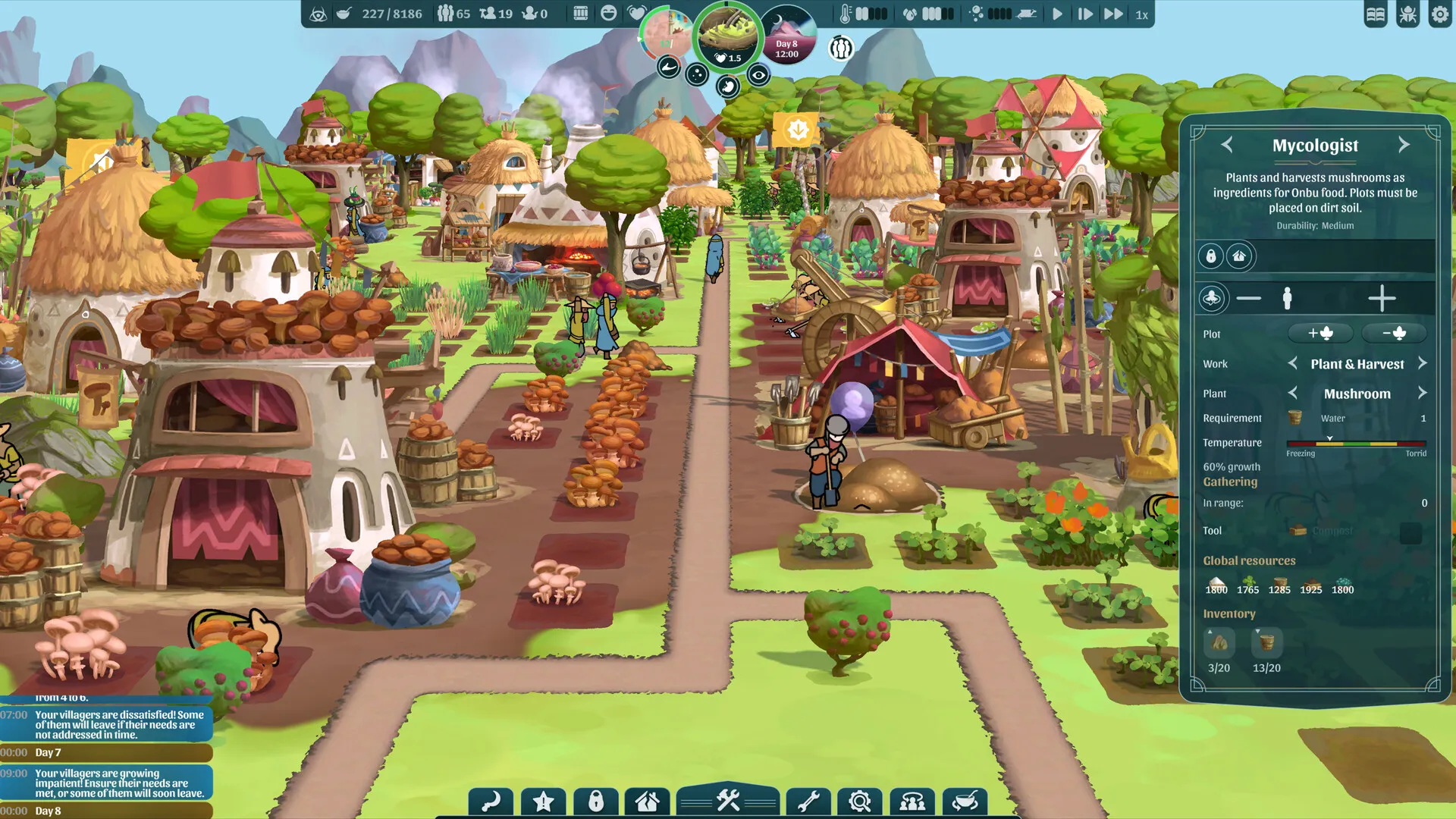
Success begins with an efficient early village focusing on essential production. Your first tasks include gathering wood, stones, and planting crops. Try to avoid overbuilding—large construction queues drain manpower and slow your momentum.
In the early game, housing is important but not urgent. Put your priority on food, research, and medical facilities. Building too fast can lead to shortages, so maintain a balance between population growth and resource consumption.
Your initial research should focus on basic farming, kitchen upgrades, and resource refinement. With these foundations established, your village will grow smoothly while preparing you for upcoming environmental dangers.
Managing Resources Through Biome Changes
One of the defining challenges of the game is adapting to shifting biomes. Each region—lush, desert, frozen, and toxic—has its own rules that drastically affect production and survival. Understanding how to prepare for and respond to these environments is crucial.
In deserts, water is scarce, and farms slow down. Focus on air wells, water storage, and heat-resistant crops. In colder climates, crop yields drop significantly, so shift your attention to preserved food and refined materials. Meanwhile, lush biomes offer fast growth and breathing room to restock supplies.
Resource adaptation is all about timing. Switching crops, turning buildings on or off, and reallocating workers ensures your village remains stable even during long hardships. Once you master biome transitions, your village becomes far more resilient.
Keeping Onbu Healthy, Happy, and Cooperative
Onbu’s wellbeing directly affects your settlement. When he is healthy, calm, and trusting, he follows your commands and avoids dangerous zones. When neglected, he ignores your signals or walks straight into toxic storms. Maintaining this relationship is essential.
Feeding Onbu regularly, using gentle interactions, and avoiding harmful actions—such as excessive drilling—build trust. You must also keep an eye on his poison levels, hunger, sleep, and stomach health. Buildings like the Onbu Doctor and Feeder play vital roles in ensuring your companion thrives.
As Onbu becomes more bonded with your village, you can influence his pathing to avoid danger, making survival easier and allowing for strategic planning. A healthy Onbu means a healthy village.
Handling Poison, Disease, and Environmental Hazards
Toxicity is one of the most dangerous threats in The Wandering Village. Poisonous clouds, contaminated plants, and infected villagers can spread quickly, overwhelming unprepared settlements. Prevention is always more effective than cure.
To handle poison, prioritize research related to decontamination, herbalist stations, and Onbu poison treatments. Equip workers with protective gear when possible and avoid building farms in zones frequently hit by toxic spores. Clearing infected plants quickly prevents chain reactions.
Your goal is to reduce the speed at which poison spreads. Once you develop consistent decontamination routines, your village becomes much more stable, even when crossing long toxic regions.
Optimizing Food Production for Long-Term Stability
Food management becomes increasingly challenging as your village grows. Balancing multiple crop types, kitchens, and environmental adaptations is essential to prevent famine. Every biome shift requires you to rethink your approach to avoid shortages.
Diversifying crops is always a smart strategy. While some plants thrive in warm climates, others excel in cold or dry environments. Maintaining multiple kitchens ensures efficient cooking, allowing food to stretch farther and preventing waste.
Late game food management requires advanced structures such as greenhouses and improved water systems. By carefully balancing crop cycles and workforce allocation, you guarantee your village’s long-term stability regardless of the biome.
Expanding and Specializing Your Village Layout
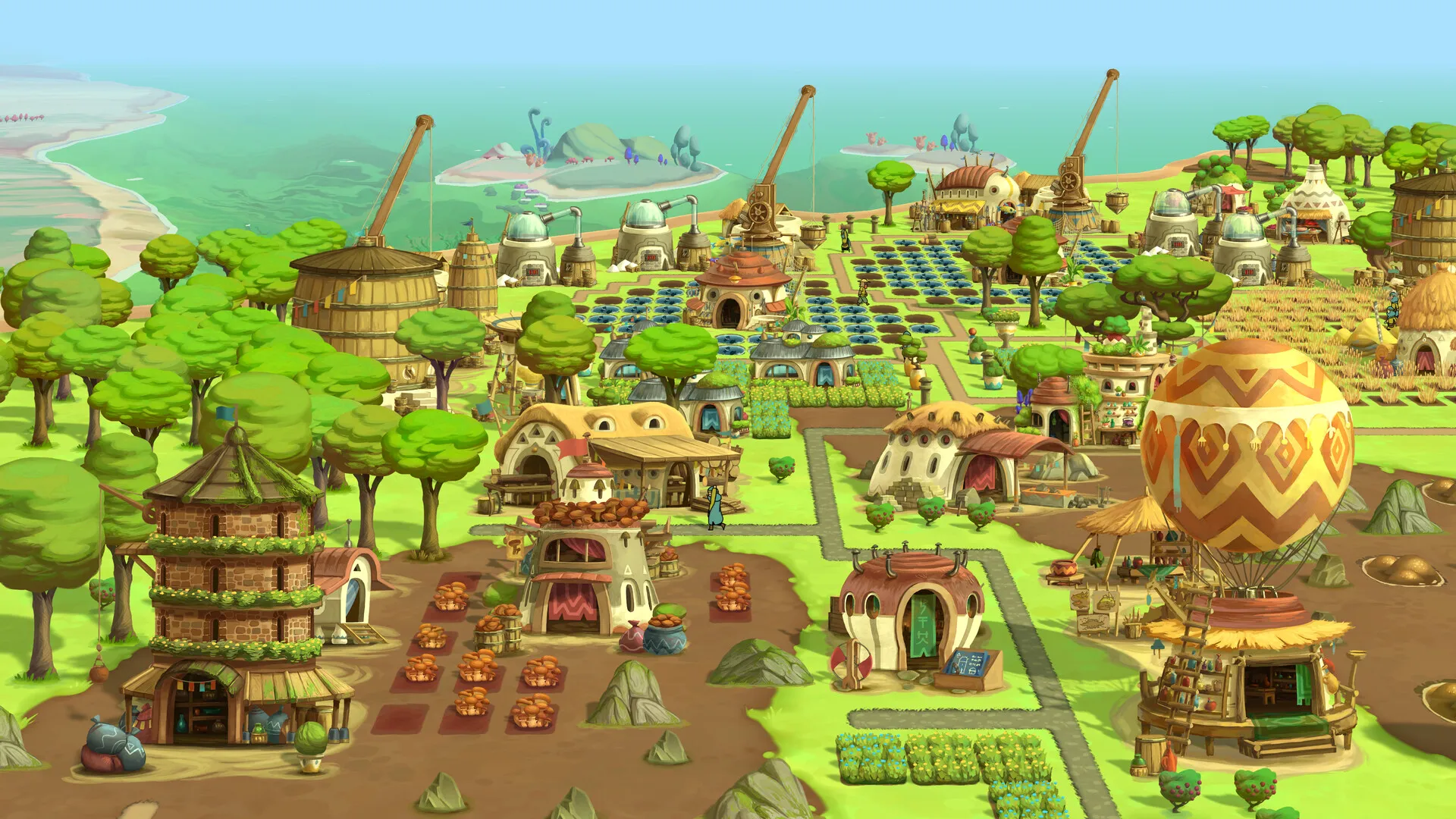
As your village grows, space becomes tight. Since Onbu’s back is limited, planning your layout early helps avoid inefficient sprawl. Keep industrial buildings far from farms, and maintain clear routes for villagers to travel quickly between jobs.
Specialization is key. Create zones—food production zones, residential areas, medical districts, and industrial sectors. This prevents pollution from harming crops, reduces travel time, and increases productivity. Be mindful of Onbu’s movements; certain areas may shake or tilt during travel, affecting performance.
Smart layout decisions make your village cleaner, safer, and more efficient, especially during late-game challenges.
Advancing Research and Unlocking Critical Technologies
Research is the backbone of progression. The tech tree offers crucial upgrades that enhance survival, production, and Onbu care. Prioritizing the right technologies at the right time determines the pace of your success.
Early game research should focus on farming, decontamination, and basic refinement. Mid-game priorities shift toward Onbu-related structures, medical upgrades, and water production enhancements. Late-game technologies grant powerful advantages like advanced food systems and efficient energy sources.
With the correct research path, your village gains immense stability, allowing you to handle extreme conditions without fear.
Mastering Onbu Commands and Strategic Pathing
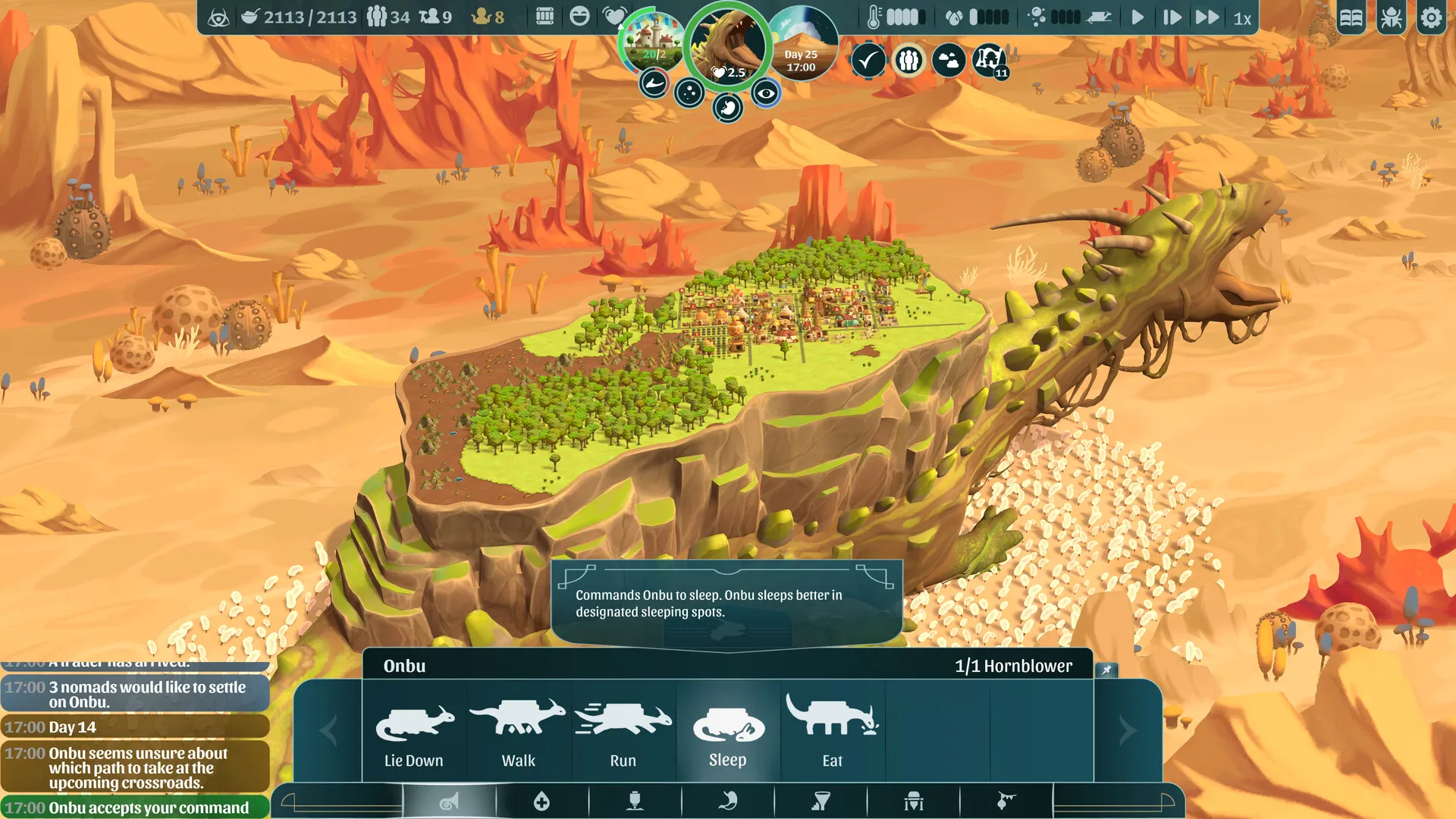
Once Onbu trusts you, you can influence his path. This system becomes incredibly important in navigating toxic zones, deserts, and freezing climates. Mastering commands gives you control over risk, resource access, and the longevity of your settlement.
Timing is essential. Only give commands when Onbu is awake and calm. Overusing commands lowers trust, so choose wisely. Path manipulation allows you to avoid poison forests, enter lush areas intentionally, and prevent your villagers from suffering extreme hardships.
When used correctly, Onbu commands transform the game from reactive survival into strategic exploration.
Preparing for Late-Game Challenges and Population Scaling
Late-game survival introduces larger populations, faster poison spread, and resource shortages. If your systems are not optimized, your village can collapse quickly. Preparation is your strongest tool.
Scaling requires stronger infrastructure, expanded research, and balanced job assignments. Avoid letting population grow unchecked—each mouth to feed adds strain. Implement backup food reserves, medical centers, and emergency work shifts for crisis situations.
Mastering late-game management turns your settlement into a self-sustaining ecosystem capable of surviving even the harshest environments.
Conclusion
Mastering The Wandering Village means understanding the deep connection between your villagers and the giant creature that carries them. By learning how to manage resources, care for Onbu, overcome toxic hazards, plan for biome changes, and optimize village growth, you build a thriving settlement capable of surviving any challenge. The game rewards adaptation, patience, and strategic thinking—qualities that turn you from a simple overseer into a true guardian of a wandering civilization.